
When your dog starts shivering after vaccines, it can be alarming—especially if it begins suddenly and you aren’t sure whether it’s pain, fear, or a reaction to the shot.
Shaking can look dramatic, and many dog owners worry it signals something serious.
This guide explains the most common causes of shivering after vaccines in dogs, what you can do at home, and when it’s best to involve your veterinarian.
Table of Contents
Dog Shivering After Vaccines: Why It Happens
Shivering after vaccines usually happens because your dog is experiencing mild immune activation, temporary discomfort at the injection site, stress, or sensitivity to certain vaccine components. This shaking can appear similar to pain tremors, cold shivers, or anxiety tremors, and it may start minutes to hours after the appointment.
Many dogs shake because their bodies are responding to the vaccine, which is designed to stimulate the immune system.
Others may tremble due to the stress of the vet visit, soreness in the injected muscle, or a mild fever caused by the immune response.
While shivering is often harmless and short-lived, it’s important to monitor your dog in case the trembling is part of a stronger vaccine reaction that needs veterinary attention.
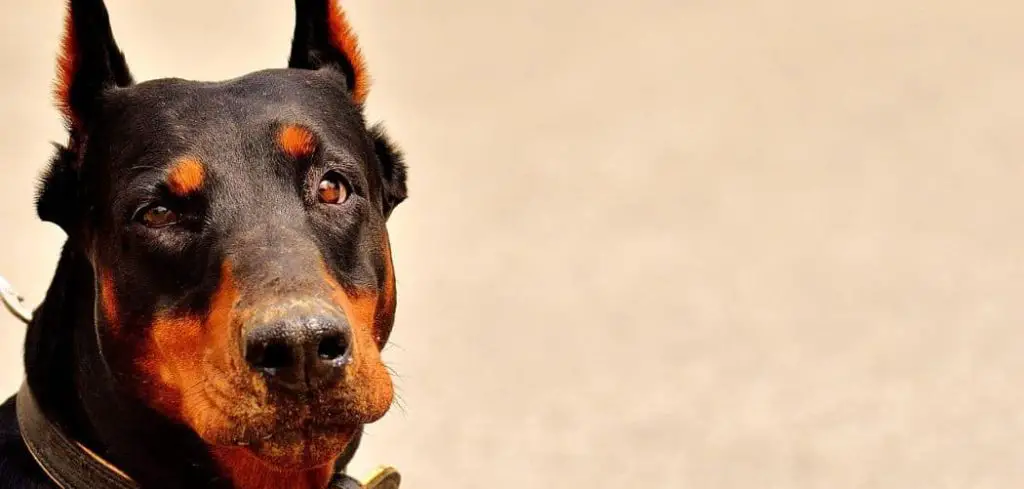
Dog Shivering After Vaccines: Common Causes
Immune System Response
A vaccine’s purpose is to activate your dog’s immune system, and that immune activation can cause temporary shivering.
When the immune system kicks into gear, it may release inflammatory chemicals that raise body temperature slightly or create a sensation similar to chills.
This trembling often looks like your dog is cold even when the environment is warm. You may also notice mild fatigue or decreased activity for a few hours. This reaction is typically not harmful and resolves as the immune system settles.
Because vaccines intentionally stimulate immunity, this type of shivering is one of the most common post-vaccination effects, especially in dogs receiving multiple vaccines at once.
Related: Dog diarrhea after vaccines (Why it happens)
Injection Site Soreness
Most vaccines are given under the skin or into a muscle, and this can cause localized soreness. Some dogs respond to pain by trembling, especially if the injection site is touched, stretched, or bumped.
If your dog is shivering and also reluctant to lie on one side, flinches when the area is touched, or walks differently, pain is a likely cause.
Muscle soreness usually improves within 24–48 hours but can make dogs tremble because trembling is a natural response to discomfort.
Shivering due to pain is especially common in smaller dogs, who are more sensitive to injections and sometimes receive multiple vaccines during a single appointment.
Fever Following Vaccination
A mild fever after vaccines is common as the immune system builds protection. Fever can cause dogs to shiver because trembling helps the body generate heat.
Dogs with fevers may nap more, act clingy, or seem less interested in food. You might also notice warm ears, a warm belly, or slightly glassy eyes. Fever-related shivering normally begins a few hours after vaccination and resolves within a day.
Although mild fever is normal, high fevers or fever that persists longer than 24 hours need veterinary evaluation.
Stress
Many dogs find the vet clinic stressful, and the excitement or anxiety surrounding the appointment can cause full-body trembling. Vaccines add discomfort and handling, which can intensify stress reactions.
This type of shivering often begins before the vaccine or immediately after the appointment. Dogs may pant, pace, or cling more than normal.
Because adrenaline remains in the body for hours after a stressful event, anxiety-related shaking can continue at home even after the dog appears “safe.”
Anxious shivering is not a reaction to the vaccine itself but rather to the overall experience.
Sensitivity to Vaccine Components
Some dogs are more sensitive to certain ingredients in vaccines, such as stabilizers or adjuvants. These sensitivities can cause shivering as part of a mild systemic reaction.
Shivering from sensitivity can appear alongside facial swelling, itchiness, or hives, but it may also appear alone. Dogs with a history of vaccine sensitivity may tremble more noticeably after future vaccines.
This is usually mild but should be monitored closely because sensitivity reactions can occasionally progress into more serious allergic responses.
Early Stages of a Vaccine Reaction
Although rare, some dogs do experience vaccine reactions that begin with mild symptoms such as shivering, lethargy, or discomfort. Shivering can be an early sign that the body is reacting more strongly than expected.
Dogs experiencing this type of reaction may also show vomiting, diarrhea, pale gums, or swelling around the face. Immediate attention is needed if these symptoms appear, but in many cases, the first sign is trembling that doesn’t improve with rest.
This cause is less common, but it’s the most important to watch for, making monitoring your dog after vaccines essential.
Related: Dog side effects after vaccines (Understanding why it happens)
What to Do If Your Dog Is Shivering After Vaccines
If your dog is shivering after vaccines, start by keeping them warm and comfortable. Many dogs experience chills or soreness that feel worse when they are cold, so offering a soft bed and a calm environment can help them relax and stop trembling. Allow them to rest, and avoid touching the injection site, which may be tender.
Some dogs benefit from gentle reassurance, but avoid overstimulating them. Soft talking, petting in areas away from the injection site, and staying nearby may help anxious dogs settle.
Encourage drinking, as hydration helps the body manage immune responses, especially if a mild fever is present.
If your veterinarian has previously recommended safe pain relief for your dog, you may follow those instructions—but never give human medications.
Medications like ibuprofen or acetaminophen are dangerous for dogs and should never be used for post-vaccine discomfort.
Monitor the shivering for a few hours. If it gradually improves and your dog otherwise seems normal, the reaction is likely mild. But if the trembling intensifies, lasts longer than 24 hours, or comes with vomiting, diarrhea, severe swelling, or labored breathing, veterinary care is needed immediately.
When to Call or Visit Your Vet
If the shivering is mild and lasts only a short time, it often resolves without medical intervention. However, certain signs indicate that your dog needs prompt veterinary attention.
Contact your vet right away if your dog develops facial swelling, hives, or sudden puffiness around the eyes or muzzle.
These symptoms may indicate an allergic reaction requiring treatment. Vomiting, diarrhea, or collapsing after vaccines are also warning signs that should never be ignored, as they can be part of a serious reaction.
If your dog has trouble breathing, is panting heavily, or seems disoriented, seek emergency care immediately. These symptoms can indicate anaphylaxis, a rare but life-threatening reaction.
Long-lasting shivering—especially when paired with fever, lethargy, or loss of appetite—warrants an exam as well.
Even if the reaction is not dangerous, your veterinarian may recommend a modified vaccine schedule or pre-medication for future appointments.
Read more: Dog Panting After Vaccines (What it means)
Key Takeaway
Shivering after vaccines is common and often linked to immune activation, injection-site soreness, mild fever, or stress from the vet visit.
Most cases resolve quickly, but monitoring your dog ensures that you can spot any early signs of a stronger reaction.
Provide comfort, keep your dog warm, and watch for concerning symptoms. If anything seems unusual or the trembling doesn’t improve, your veterinarian can guide you and make future vaccinations easier and safer for your dog.